

All Across The Sand
B-side to their 1987 single "Sally Cinnamon."
Showcasing the band’s signature blend of jangly guitars, hypnotic basslines, and psychedelic edge. Though less known than their major hits, the song captures the raw, experimental energy of their formative years — a mix of melodic melancholy and trippy atmosphere. Lyrically, it hints at themes of change, escape, and reflection, fitting perfectly within the band’s dreamlike, late-’80s Manchester soundscape.

All For One
“All for One” by The Stone Roses, released in 2016, marked the band’s first new music in over two decades. The track carries a bold, anthemic energy with driving rhythms and an uplifting message of unity and defiance. Its confident, chant-like chorus captures the band’s trademark swagger, while the tight production and punchy performance signal a return that feels both nostalgic and revitalized.

All I Want
“All I Want” captures The Stone Roses at their most raw and unpolished — a glimpse into the restless energy of a band still shaping its identity. Recorded during the mid-1980s and later released on the posthumous demo collection Garage Flower, the track stands apart from the shimmering confidence of their 1989 debut. Instead, it burns with punk urgency and jagged edges, revealing the band’s early struggle to fuse aggression with melody.

Beautiful Thing
“Beautiful Thing” was released on 9 June 2016 as the band’s second single after their long hiatus and it immediately made clear that the band weren’t content to simply rehash their late‑80s glory days. Clocking in at over seven minutes, the track is sprawling and atmospheric, giving space for extended grooves, wah‑wah guitar flourishes, and Reni’s intricate drumming, Mani’s bass lines anchor the track with a steady pulse. Beautiful Thing is a solid. It demonstrates that The Stone Roses still have chemistry and musical ambition, even decades after their initial success. While it may not convert new fans, it offers longtime listeners a nostalgic groove and moments of genuine brilliance.

Begging You
“Begging You” by The Stone Roses! That’s a track from their 1995 album Second Coming album and also released as the final single, before their initial break-up a year later, and was the third single from their second album. It has a darker, more aggressive sound compared to their debut album, with heavy blues-rock riffs and a driving rhythm. Ian Brown’s vocals on this track are intense and almost pleading, which matches the song’s title. It’s often noted for its hypnotic groove, repeated chants, and the way the guitars and rhythm build a kind of trance-like tension throughout the song.

Breaking Into Heaven
“Breaking into Heaven” is the opening track from The Second Coming (1994), the long-awaited second album by The Stone Roses. The song begins with a long, atmospheric intro of water sounds, percussion, and feedback before bursting into a swaggering, blues-infused groove. It sets the tone for the album’s darker, heavier, and more ambitious direction compared to their jangly debut. Lyrically, it carries a sense of spiritual searching and rebellion, echoing themes of transcendence and freedom. As an opener, it’s both a statement of intent and a journey—bold, immersive, and unmistakably The Stone Roses.

Breakout
"Breakout" was included as one of the B‑sides to the "Love Spreads" A funky instrumental jam based around Breaking Into Heaven. If there’s one aspect of The Stone Roses that truly elevates them above most of their peers, it’s the rhythmic genius of Mani on bass and Reni on drums. Together, they form a groove so tight, so alive, that even the most casual listener can’t help but feel it in their bones. The true genius lies in their interplay. Mani and Reni don’t just perform their parts; they converse. The bass slides, the drums respond; the drums tease, the bass locks in. This dialogue gives The Stone Roses’ music its irresistible groove, making even the simplest riff feel electric.

Bye Bye Badman
"Bye Bye Badman" by The Stone Roses is a melodic track from their 1989 self-titled debut album. Inspired by the May 1968 Paris student riots, the song blends political rebellion with the band’s signature psychedelic groove. Its lyrics reference the French tricolor and lemon imagery — the latter symbolizing resistance, as rioters used lemons to counter tear gas. Musically, it’s a shimmering mix of John Squire’s chiming guitars and Ian Brown’s laid-back vocals, capturing the Roses’ blend of beauty, defiance, and swagger that defined the Madchester sound.
Daybreak
“Daybreak” by The Stone Roses is an energetic, groove-driven track from their 1994 album Second Coming. It showcases the band’s shift toward a funkier, blues-infused rock sound, powered by Mani’s pulsing bassline and John Squire’s expressive guitar work. Ian Brown’s vocals used sparingly, giving it a jam-like, hypnotic quality that captures the band’s musical confidence and experimentation during this era.
Dont Stop
“Don’t Stop” by The Stone Roses is one of the band’s most intriguing and experimental tracks. Featured on their 1989 debut album, it’s essentially a backwards remix of their song “Waterfall”, with some additional overdubs and vocals. The reversed production gives it a dreamy, surreal quality—typical of the band’s psychedelic style. Rather than feeling like a gimmick, the track stands on its own as an atmospheric, hypnotic piece that captures the Mancunian mystique and creative daring that defined The Stone Roses’ early sound.
Driving South
"Driving South" by The Stone Roses is a gritty, blues-infused track from their 1994 album Second Coming. The song showcases a heavier, guitar-driven sound compared to their earlier, more melodic work. John Squire’s raw, blues-rock riffs dominate the track, while Ian Brown’s vocals carry a defiant, restless energy. Lyrically, it evokes themes of frustration, escape, and rebellion—perfectly fitting the album’s darker, more mature tone. It’s often seen as a reflection of the band’s shift toward a harder, more classic rock-inspired style in the mid-’90s.

Elephant Stone
"Elephant Stone" by The Stone Roses is the striking 3rd single that showcases the band’s guitar sound and melodic sense that would later define the Madchester scene. It blends post-punk energy with a hypnotic, almost psychedelic groove, anchored by a catchy bassline and cryptic, evocative lyrics. The song reflects the band’s knack for balancing immediacy with atmospheric depth, making it a standout in their early catalog and a hint of the musical innovation that would follow in their debut album.
Elizabeth My Dear
“Elizabeth My Dear” by The Stone Roses is a fascinating exploration of disillusionment with monarchy.
The song structure is just Squire/Brown with Browns biting, satirical lyrics, reflecting skepticism toward traditional institutions. It feels both personal and political, capturing a sense of frustration and rebellion, wrapped in the melodic yet slightly melancholic tone typical of The Stone Roses’ style.

Fall
From the first few bars, “Fall” sounds like a product of its era: jagged guitars, propulsive drums, and a sense of urgency that feels half punk, half post-industrial Manchester grit. John Squire’s guitar lines cut through the mix with the angular precision that would later blossom into the psychedelic swirl of “Made of Stone,” while Ian Brown’s vocals already bear that unmistakable mix of detachment and intensity. Lyrically, the song burns with disillusionment. The repeated refrain, “I want to see you falling” ,drips with frustration and a touch of vengeance, hinting at betrayal or perhaps the band’s contempt for the industry figures trying to control them.

Fools Gold
“Fools Gold” by The Stone Roses was their 6th single release. A hypnotic blend of indie rock and dance rhythms, released in November 1989. Its signature groove comes from a funky bassline and rolling drumbeat, layered with jangly guitar riffs, creating a mesmerizing, almost trance-like vibe. Lyrically, it’s cryptic and enigmatic, reflecting themes of desire and illusion, while the extended jam-like structure showcases the band’s experimental edge. The track became an iconic dance-rock anthem, capturing the late ’80s Madchester scene and cementing The Stone Roses’ reputation as pioneers of the era.

Full Fathom Five
Full Fathom Five is a backwards remix of Elephant Stone a creative act of inversion that turns their bright, driving single into an underwater mirage. Producer John Leckie, working with the band, reversed the tapes and layered effects to create an ambient, otherworldly companion piece. The result is more than a novelty; it’s a sonic experiment that reveals how far the Roses were willing to push their sound even at this early stage.
Getting Plenty
Getting Plenty appears in the early phase of The Stone Roses’ career: it is listed as “Track 3” from what fans call their Garage Flower collection (1985-era recordings). In an interview transcript featuring bassist Pete Garner (a very early Roses associate) he addresses the song: “The song Getting Plenty? Plenty of sex? No. I didn’t write the lyrics… that’s not about sex.” So, the song is from the band’s formative years ,early gigs, early writing, before their major-label breakthrough. Getting Plenty is a raw and early‐stage Stone Roses track, offering a glimpse of the band’s development and early songwriting. It has flashes of promise: assertive lyrics, experimental edges, and the guitar/voice interplay that the Roses would later refine. But it also has the rough edges of a band still finding its full identity.

Going Down
The Stone Roses’ “Going Down” is a brief but luminous glimpse into the band’s softer, more introspective side. As a B-side to “Made Of Stone,” it may have flown under the radar for casual listeners, but it perfectly showcases the melodic magic that made the Roses a defining band. From the first guitar chords, John Squire’s signature shimmering style sets the tone: bright, fluid, and impossibly catchy. Mani’s playful basslines and Reni’s loose, rolling drumming create a rhythm that’s both relaxed and infectious, a sound that seems to float in midair, perfectly capturing the lazy euphoria of youth.
Good Times
“Good Times” from Second Coming by The Stone Roses. The track leans heavily into classic rock and blues influences, with a powerful, churning guitar riff from John Squire that drives the song. Mani’s basslines are prominent and melodic, giving the song a thick, layered texture. Reni’s drumming is precise but restrained, allowing the song to ebb and flow naturally. Ian Brown’s vocals are low and introspective, at times almost slurred, creating a sense of melancholy and contemplation that matches the lyrical tone. Compared to the debut album’s airy, psychedelic optimism, this song feels darker and more grounded.

Groove [Black Magic Devil Woman]
Groove (Black Magic Devil Woman) appears on the bonus CD of the limited 1995 release of The Complete Stone Roses compilation album. It’s one of the band’s lesser-known tracks, and like many of their rarities, it offers fans a glimpse into their experimental and groove-oriented side. As a bonus track on a limited-edition compilation, Groove (Black Magic Devil Woman) was never widely promoted. Its rarity gives it a cult status among collectors and die-hard fans.

Groove Harder
Groove Harder, the vinyl-only B-side to 1994’s Love Spreads, is a hidden gem that showcases The Stone Roses’ Instrumental jam-oriented, groove-heavy side. It's a rewarding listen for anyone interested in The Stone Roses’ evolution and their work beyond their most famous tracks. It doesn’t change the narrative of the band or hold the iconic status of “Love Spreads”, but it enriches the story: a band confident enough in their musicianship to pull aside for a groove‑centric B‑side, playing with texture, rhythm and space. Highlights how during Second Coming, the band were stretching into blues‑rock, extended instrumentation and heavy rhythm
Guernica
Guernica appeared as a B-side to the 1989 single Made of Stone. The track is essentially a reversed, heavily manipulated version of the A Side, with added guitar overdubs. The title, Guernica, evokes Pablo Picasso’s famous painting of the same name, suggesting themes of chaos, disorientation, and intensity, fitting for a track that transforms recognizable material into something abstract and unsettling. Guernica fits into a small but fascinating tradition of experimental B-sides by The Stone Roses, including: Simone (backward Where Angels Play) and Full Fathom Five (reversed/ambient take on Elephant Stone)
Heart On The Staves
A raw gem from The Stone Roses’ early days, “Heart on the Staves” crackles with youthful energy and jangly guitar hooks. Lyrically, it’s introspective, exploring vulnerability and the tension between authenticity and performance. Rough around the edges but brimming with promise, it’s a captivating glimpse of a band on the brink of greatness. “Heart on the Staves” may not be a marquee track in The Stone Roses’ catalogue, but it’s a window into their early identity: a band grappling with performance, authenticity, and self‑expression, playing on the fringes before they became household names. For people interested in the full arc of their evolution, it’s a rewarding listen.
Here It Comes
“Here It Comes” appears as a B‑side to the 1987 single “Sally Cinnamon”, and while it doesn’t carry the same legendary status as some of the band’s biggest hits, it offers a fascinating snapshot of the band in transition, on the cusp of finding the distinctive groove that would define them. Musically, the track is raw, and concise, clocking in at just over two minutes. The guitars are bright but tentative, and the rhythm section drives forward with urgency, giving the song a lean, garage‑rock feel. The production is intentionally rough around the edges, emphasizing authenticity over polish. It’s that roughness that gives the track its charm: you can hear a band brimming with ideas, experimenting and stretching out.

High Time
High Time is one of the rare, unreleased songs associated with The Stone Roses’ later period, known primarily from live recordings and bootlegs rather than an official album or single. The track holds particular significance because it was performed live at the band’s headline set at the Reading Festival on 25 August 1996. A show widely remembered as the Roses’ final performance. High Time and another unreleased song, Ice Cold Cube, among the only unfamiliar numbers in the set.
Because High Time was never recorded in the studio or released officially, knowledge of it mainly comes from audience and TV recordings of that Reading set and fan-compiled concert lists, preserving its place in the Stone Roses’ turbulent final chapter before they dissolved later in 1996.
How Do You Sleep
“How Do You Sleep” from Second Coming is one of The Stone Roses’ most emotionally charged tracks, blending their signature melodic sensibilities with a darker, more introspective edge. From the first notes, the song immediately draws you in with a hypnotic rhythm and intricate guitar work from John Squire, whose layered riffs create a sense of both tension and release. The instrumental arrangement builds steadily, weaving between soft, contemplative passages and moments of soaring energy, making it a journey as much as a song.

I Am The Resurrection
"I Am the Resurrection" is a song by the Stone Roses and the final song on the UK version of their debut album. Also released as a single on the 30th March 1992, and reached number 33 on the UK Singles Chart. It was the second of two singles released from their debut album while the band were estranged from their label Silvertone. Physical copies of the single are no longer pressed and have become extremely difficult to come by. The track is nothing short of a masterpiece, a sprawling, defiant anthem that perfectly encapsulates the band’s swagger, melodic genius, and raw energy. Clocking in at over eight minutes, the song is part punk attitude, part danceable groove, and part psychedelic jam, a combination that only The Stone Roses could pull off so seamlessly.
I Am Without Shoes
"I Am Without Shoes" is a backward-taped track by The Stone Roses, primarily an instrumental version of their song "She Bangs the Drums" played in reverse, with additional forward-facing vocals. The track features shimmering, backwards guitar and vocals at the start and was released as a B-side, with its title reportedly inspiring a Charlatans song. It was included on the bonus CD of the limited 1995 release of The Complete Stone Roses compilation.

I Wanna Be Adored
It was the first track on their debut album, The Stone Roses, and was also released as a single in the US in 1989. The single charted at number 18 on the Billboard Modern Rock chart in 1990. In 1991, the single was released in other parts of the world featuring previously unreleased B-sides. Opening with a deep, pulsating bassline that feels like it’s emanating from the very ground beneath you, the track sets a hypnotic, almost ritualistic tone. It’s a slow burn, building tension with minimalistic percussion and atmospheric guitar textures, allowing each note and beat to resonate with a sense of anticipation. A masterclass in minimalism, atmosphere, and attitude, “I Wanna Be Adored” is more than a song—it’s a mantra, a mood, and one of the definitive anthems of British rock.

Ice Cold Cube
“Ice Cold Cube” is one of those wonderfully odd artifacts in The Stone Roses’ story—a song they played live exactly once, at their chaotic farewell performance at the 1996 Reading Festival, and then promptly allowed to vanish into the ether. The band never released their version, leaving fans with only scrappy bootlegs and the satisfying suspicion that the title—reportedly Reni’s nickname for John Squire—was already a hint of the frosty vibes within the group. Ian Brown eventually resurrected the track on his 1998 solo debut Unfinished Monkey Business, where it reappeared sounding lo-fi, psychedelic, and unmistakably like a musical side-eye aimed at his old bandmate. So while the original Roses take remains locked in the vaults (or perhaps misplaced under a stack of paintbrushes in Squire’s studio), Brown’s official version stands as the lone, quirky testament to one of the band’s least-known but most interesting fragments.
Just A Litle Bit
“Just a Little Bit” From the Garage Flower Sessions is one of The Stone Roses’ lesser-known tracks, yet it demonstrates the band’s ability to blend catchy melodies with a smooth, rhythmic groove. The song is short, punchy, and immediately engaging, featuring crisp guitars, tight drumming, and Ian Brown’s signature vocal delivery. Musically, it has an upbeat, lively energy, with guitar riffs that provide a sense of movement and momentum throughout. The track feels concise and unpretentious, capturing the band at a stage when they were honing their sound while experimenting with texture and rhythm. “Just a Little Bit” is a charming, concise example of The Stone Roses’ early strengths: memorable melodies, rhythmic drive, and approachable energy. While not as iconic as their seminal singles, it’s a rewarding listen for fans who explore beyond the hits.

Love Spreads
“Love Spreads,” the lead single from Second Coming (1994), is one of The Stone Roses’ most powerful and enduring tracks, showcasing their evolution. From the opening guitar riff, the song commands attention, John Squire’s riff is bold, sharp, and instantly recognizable, setting a confident tone that carries through the entire track. The rhythm section drives the song with a steady, almost hypnotic groove, giving it a sense of momentum that feels both urgent and effortless. Ian Brown’s vocals are assertive yet smooth, delivering lyrics that explore the transformative power of love with a sense of universality and intensity. The chorus, anthemic and sweeping, cements the track as a stadium-ready classic, while the verses maintain a raw, emotional edge.

Made Of Stone
"Made of Stone" is the 4th single from the Stone Roses. The song entered the UK singles chart on six separate occasions (1989, 1990, 1996, 2009, 2017 and 2022), with a peak placing of No. 20. There are songs that define moments, and then there are songs that create them. Made of Stones one of the latter, a shimmering, euphoric explosion of melody and emotion that still feels like freedom bottled in sound. It’s not just a song; it’s a feeling, the rush of being young, restless, and desperate to get out and live. Decades on, “Made of Stone” still feels eternal. It’s the sound of a band capturing lightning, that perfect collision of melody, emotion, and attitude. When you hear it, you don’t just listen; you believe.

Mersey Paradise
“Mersey Paradise,” the B-side to the 1989 single She Bangs the Drums, is one of The Stone Roses’ most understated yet compelling tracks. At just under three minutes, it offers a concentrated burst of atmosphere and emotional depth, showcasing the band’s ability to create mood and place without relying on big hooks.
Musically, the song unfolds with fluid rhythm, expressive guitar lines, and Ian Brown’s calm yet evocative vocals. There’s a spacious quality to the arrangement, giving the listener the sense of wandering along the River Mersey itself, reflective, slightly melancholic, but quietly vibrant. The track’s production captures immediacy while hinting at nostalgia, making it feel both intimate and expansive.
Mission Impossible
“Mission Impossible” is one of The Stone Roses’ early tracks, recorded during their demo and session period in 1985. The song’s raw energy, straightforward instrumentation and lyrical defiance hint at the band’s nascent ambition and evolving sound. Musically, the track is direct and unpolished. The rhythm pulses with urgency, the guitar work is aggressive rather than decorative, and the vocals carry a tone of confrontation, lines like “You won’t fool me” suggest resistance and impatience. It’s not a refined anthem; instead, it captures a band in motion, finding its way, throwing ideas at a wall to see what sticks. If you enjoy “Mission Impossible,” by all means explore Garage Flower. The track works on its own as a piece of early energy, but gains extra layers when you realise the context: a band building their identity, framing their sound, and leaving behind demo tapes that decades later would surface for fans.

Moses
When Ten Story Love Song was released in 1995, it came with an instrumental track titled Moses tucked away on the single’s CD edition. Though it never drew much attention outside dedicated fans, Moses stands as one of the most fascinating late-period Roses recordings, an instrumental that distills the swagger, groove, and ambition of The Second Coming into a tight, muscular jam. Moses is The Stone Roses stripped to their musical essence, groove, grit, and chemistry. It’s the sound of a band jamming with conviction, unbothered by the need for radio singles or lyrical hooks. As a hidden gem from the Second Coming era, it stands among their finest instrumental moments and offers a tantalizing glimpse of what might have been had the band stayed together longer.

One Love
"One Love" is a non-album single by The Stone Roses. The 7th single was released in July 1990, peaking at number four in the Roses' home country of the UK, becoming their highest-charting single at the time. The Stone Roses were at the absolute height of their powers, riding the euphoric wave they had sparked with their self-titled debut. If “Fools Gold” was the sound of a band discovering groove and swagger, “One Love” was them basking in it — hypnotic, sun-drenched, and utterly triumphant. What makes “One Love” so thrilling is its confidence. The Roses didn’t need to shout or change direction; they simply expanded their universe. Every note feels deliberate, spacious, and effortless — the work of a band who knew they’d already rewritten the rules and were now free to just ride the rhythm.
Ride On
“Ride On” was released on 27 February 1995 as part of the single for “Ten Storey Love Song”. The band recorded it during the sessions of their second album, Second Coming. “Ride On” strikes a mood that is darker and groove‑driven compared to many of the Roses’ earlier “sunlit” moments. The lyrics open with:
“Way down deep dark and funky / Tie me tightly to your bed” This sets a tone of intimate surrender, rather than broad anthem. The instrumentation supports this mood: the rhythm section pushes steadily, the guitar tones are moodier and less jangle‑pop than some of their debut album material, and there’s a sense of space and looseness. That looseness is highlighted by producer Simon Dawson describing the track as “technically so‑so, but spiritually spot‑on”.

Sally Cinnamon
“Sally Cinnamon” was The Stone Roses’ second single, released in 1987 back when Mani hadn’t yet joined the band to add the funk but still sounded like angels on a sugar rush. A jangly, innocent love song, it gave a glimpse of the magic that would later define them. It spent a whopping thirty-nine weeks on the UK Indie Chart, peaking at number three, and when re-released in 1989, it crept into the main charts too. But the sweetness soured fast: when their old label made a tacky video without permission, the Roses responded with paint, literally. They stormed the office, splattered the walls (and the label boss), and trashed some cars for good measure. The result? A £6,000 fine and a lifetime ban but a legend was born. “Sally Cinnamon” remains a perfect early snapshot of The Stone Roses: beautiful, chaotic, and never afraid to make a bit of a mess.

She Bangs The Drums
The song was their second single from their eponymous debut album and their 5th single release. It was released in the UK, Japan, and Germany. The single was their first Top 40 hit, peaking at number 36 on the UK Singles Chart in July 1989. A reissue in March 1990 improved by two places. From its opening seconds, Mani’s bassline sets the tone , a melodic, looping figure that’s both anchor and invitation. It doesn’t just underpin the song; it propels it. His playing gives the track its heartbeat, bouncing with an effortless groove that bridges punk sharpness and psychedelic sway. When Reni’s crisp drumming and John Squire’s chiming guitar fall into place, the sound blossoms into a perfect storm of rhythm and melody. Ian Brown’s vocals float above it all, detached yet radiant.
Shoot You Down
“Shoot You Down” from the debut album, showcases The Stone Roses at their melodic best. The song unfolds with a smooth, flowing rhythm that lets every note breathe, while Ian Brown’s vocals hover between urgency and introspection, carrying emotional weight without shouting. Mani’s bass and Reni’s drums provide a subtle, driving pulse, keeping the song grounded yet dynamic. John Squire adds layered, harmonically rich lines that deepen the track’s mood without dominating it. It’s a quietly powerful track that stays with you long after it ends. I’d love to do it and you know you’ve always had it coming!
Simone
Released as a B-side on the 1989 She Bangs the Drums single, “Simone” is essentially “Where Angels Play” played backwards, a playful, experimental approach that reveals The Stone Roses’ willingness to explore texture and sound even on secondary tracks. Simone is atmospheric and ethereal, the reversed execution transforms familiar melodies into something ghostly and hypnotic. Guitar lines shimmer in unexpected directions, rhythms feel slightly off-kilter, and the usual clarity of Ian Brown’s vocals is replaced by reversed tonalities that sound almost like another instrument.

So Young
The Debut single “So Young” was released in 1985 as part of a double A‑side single, coupled with “Tell Me”, via the independent label Thin Line Records. Interestingly, the track began life under the working‑title “Misery Dictionary”, but the band altered the title to avoid associations with their Manchester contemporaries. It captures The Stone Roses in their earliest, most unpolished form. Musically, “So Young” is punchy and immediate. The guitars are jagged, the rhythm section restless, and the production intentionally rough around the edges. Unlike the later, groovier, and more melodic jangle-pop that would define their 1989 debut, this track is sharper, more angular, and carries the palpable tension of youth and frustration. The lyrics speak to idleness and wasted potential, painting a picture of a generation “staying in bed until tea time,” as guitarist John Squire put it.

Something’s Burning
“Something’s Burning” is a compelling B-side that demonstrates The Stone Roses’ ability to create tension and atmosphere beyond the bright optimism of their A-sides. Unlike One Love, which radiates the band’s characteristic swagger, this track carries a simmering intensity, a sense that something powerful is lurking just beneath the surface. Ian Brown’s vocals glide between urgency and reflection, while Mani and Reni lock in a hypnotic, driving rhythm. The song simmers with tension, hinting at desire and unease, letting mood and momentum take center stage.
(Song For My) Sugar Spun Sister lyrics
“Sugar Spun Sister” is one of the lighter, more whimsical tracks on The Stone Roses debut album, offering a mix of playful charm and subtle psychedelia. The song’s name alone hints at something sweet but slightly mischievous, and the music delivers just that. Ian Brown’s vocals drift with a casual, almost teasing coolness, perfectly matched by John Squire’s layered, textured guitar work that feels both delicate and deliberate. The rhythm section quietly propels the track forward — Mani’s bass lines are melodic yet grounded, and Reni’s drumming adds an almost danceable subtlety without ever overplaying. The song has an airy quality, a sense of floating that makes it easy to get lost in the melody.
Standing Here
Released as the B-side to She Bangs the Drums in 1989, Standing Here remains one of The Stone Roses’ most remarkable achievements, a track that effortlessly distills everything that made the band so special. It’s not a hit, nor does it try to be. Instead, it’s a slow-burning groove, a song that glows rather than explodes, capturing the Roses at their most fluid and confident. From the opening bars, the chemistry is undeniable. Reni’s drumming is intricate and alive, constantly shifting while never losing its pulse. Mani’s bass slides beneath with instinctive groove, giving the track its lazy sway and irresistible rhythm. Together, they create a rhythm section that feels both relaxed and sharp, a hallmark of the band’s best work. John Squire’s guitar work elevates Standing Here to something transcendent. His playing isn’t flashy; it’s textural, melodic, and painterly, each riff shimmering with a kind of understated beauty. The way he weaves his guitar lines around Ian Brown’s vocals creates a sense of space and motion, a sonic landscape you can get lost in.
Straight To The Man
“Straight to the Man” From the Roses Second Act (Second Coming) finds The Stone Roses in a sly, funky groove. It’s a low-slung, rhythmic track where Mani’s bass does most of the talking, Reni keeps things tight and fluid, and John Squire adds flashes of bluesy bite. Ian Brown slips into street-preacher mode ,cool, cryptic, and just a bit cheeky. It’s less a big anthem than a mood: swaggering, shadowy, and quietly subversive. A reminder that even when The Roses went loose and weird, they still had serious style.
Tears
“Tears” appears as the tenth track on Second Coming (1994). It is built around a gentle acoustic‑guitar intro, evolving into a richly layered piece with electric guitar, drums, a more drawn‑out structure and a feeling of emotional weight. For example, one review describes it thus: “maudlin vocals and chiming acoustic guitars… builds to a moving crescendo of electric playing and mournful words and singing.” "Tears" is considered by many fans to be a beautiful and sensitive moment on the record.
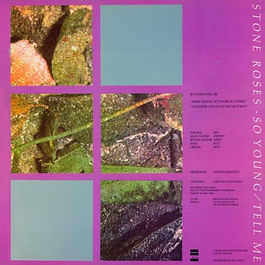
Tell Me
Released alongside “So Young” in 1985, “Tell Me” serves as the perfect companion piece, showcasing another side of The Stone Roses’ formative sound. While “So Young” crackles with restless energy and angular guitars, “Tell Me” leans slightly more into mood and melody, hinting at the textured arrangements the band would later master. Musically, the track is tight and urgent, with John Squire’s guitar lines weaving jagged riffs over a steady, propulsive rhythm section. The drums hit with a purposeful force, and Ian Brown’s vocals are raw but expressive, carrying the kind of youthful intensity that would become a hallmark of the band’s early years. Unlike the rougher, more chaotic “So Young,” “Tell Me” demonstrates a developing sense of songcraft—even at this early stage.

Ten Storey Love Song
"Ten Storey Love Song" released as the second single from their album, Second Coming (1994), on 27 February 1995. It was written by guitarist John Squire. The song reached number 11 on the UK Singles Chart and spent three weeks on the chart. The song starts off with a squelch, sounding like it is tagged onto the end of a studio jam- all drums and guitars attempting to find the song before the song’s pure pop perfection slopes in. When it comes in it sends the heart soaring. Heaps of melody pile up, each change in the song is yet another great tune heaped up all the way to the chorus. It is the album’s musical link to the pristine pop of the old days, melodically and lyrically.
The Hardest Thing In The World
B‑sides don’t always get the attention they deserve, but The Hardest Thing in the World, paired with the 1988 single Elephant Stone, proves that gems often hide in plain sight. Clocking in at under three minutes, the track captures The Stone Roses in a formative moment, balancing jangly guitars, driving rhythms, and a raw, unpolished energy that would become a hallmark of their early sound. Ultimately, this B‑side is proof that The Stone Roses’ depth extends far beyond their hits. The Hardest Thing in the World is short, sharp, and enduringly affecting and reminds us why the band remains influential decades later.
This Is The One
“This Is the One” is a mesmerizing track from The Stone Roses, originating in the band’s 1985 Garage Flower Sessions. Even in its early form, the song showcases the group’s gift for hypnotic rhythm and layered melodies. On the debut LP, Ian Brown’s vocals float effortlessly over a subtle but driving instrumental backdrop, while Reni and Mani create a groove that feels both steady and alive, carrying the song forward with quiet intensity. John Squire’s guitar work here is textured and atmospheric, adding depth and mood rather than flashy showmanship. It gained iconic status in Manchester, as it has been the walk-on song for the Manchester United football club since 2005

The Sun Still Shines
“The Sun Still Shines” is a rare unreleased demo recorded during their early years on 12 December 1986 in a basement studio on Stockton Road in Chorlton, Manchester. The session, captured on a 16-track setup in a cellar studio, also produced early recordings of songs that would later become better known, including “(Song for My) Sugar Spun Sister,” “Going Down,” and “Elephant Stone.” Although the band never officially released “The Sun Still Shines,” the demo has circulated widely among collectors and fans through bootlegs and online uploads. Musically, it showcases the group’s developing sound. The track sits stylistically between the band’s post-punk beginnings and the melodic indie sound that would later define their breakthrough work. The original master tape from the session reportedly sold at auction in 2014 for around £3,000, highlighting the rarity of the recording. Despite its reputation among dedicated fans as one of the band’s most interesting lost songs, “The Sun Still Shines” has never appeared on an official release.
Tightrope
“Tightrope” appears on Second Coming, where it stands out as one of the more melodic and intimate songs on an album otherwise noted for its rock ambition and sprawling production. “Tightrope” is a quietly powerful moment in The Stone Roses’ catalogue: it may not be the obvious anthem, but it offers lyrical finesse, emotional subtlety and a mood that lingers. For those willing to go deeper into Second Coming, it’s one of the album’s highlights. “I’m on a tightrope, baby, nine miles high / Striding through the clouds on my ribbon in the sky…”
Tragic Roundabout
Tragic Roundabout isn’t a hidden masterpiece, but it’s a crucial piece of The Stone Roses’ origin story. It captures the band before refinement , when they were still finding their sound, their voice, and their chemistry. For longtime fans, it’s a raw, unfiltered look at their creative beginnings; for everyone else, it’s an intriguing curiosity from the Manchester underground. There’s a raw, punkish aggression that contrasts sharply with the graceful, groove-based sound the band would later develop. In that sense, Tragic Roundabout is less about musical finesse and more about raw spirit. It’s The Stone Roses before their self-belief fully formed , angry, urgent, and noisy.
Trust A Fox
“Trust a Fox” is a fascinating piece of The Stone Roses’ early history, a song that predates their rise to iconic status and captures the raw, uncertain energy of a band still finding its footing. Written and recorded in the mid-1980s, this track sits alongside other pre-Garage Flower material, offering a glimpse of their musical direction before they defined the sound that would shape the Madchester era. Musically, Trust a Fox is taut, restless, and angular. It trades the shimmering textures and melodic flow of their later material for something grittier, more punk than pop, more tension than release. The guitars are sharp and propulsive, the basslines carry a wiry urgency, and Ian Brown’s vocals have a sharper, almost sneering tone. There’s a sense of attitude rather than polish; the band sound like they’re fighting to make a mark rather than settling into the confidence that would later define them.

Waterfall
"Waterfall" The fourth single taken from their debut album, The Stone Roses it was released in 1991 by Silvertone Records and reached number 27 in the UK Singles Chart. Right from the opening bars, Waterfall sets a tone of shimmering motion and possibility. The guitar riff floats in, experimenting with time and space in a way that hints at more than pop simplicity. The arrival of drums and bass doesn’t feel abrupt; rather, the rhythm section glides in, giving the song a gently insistent propulsion. The vocals, relaxed yet loaded with feeling, layer over this, offering an effect that is reflective but hopeful. Then you get the build: the instrumentation opens up, the guitar expands its reach, and the song becomes something uplifting rather than merely pleasant.

What The World Is Waiting For
What the World Is Waiting For” was released in November 1989 as part of the double A‑side single with Fools Gold. From the moment it kicks in you sense the band shifting gears, there’s less overt swagger than “Fools Gold” and more a quietly confident rumble, as though the quartet are whispering that the next wave has begun. The track marked a key moment in the band’s trajectory. The band originally intended “What the World Is Waiting For” as the lead, but “Fools Gold” grabbed the spotlight and ended up topping charts. The double A‑side reached the UK top ten and helped shift the band from indie cult status to something much larger.
Where Angles Play
“Where Angels Play,” first released as a B-side to She Bangs the Drums in 1989, is one of The Stone Roses’ most exquisite hidden treasures. Though it never featured on their self-titled debut album, it easily matches the quality of that record’s most iconic songs and for many fans, it captures the band’s spirit more perfectly than some of their bigger hits. Where Angels Play is a near-perfect example of The Stone Roses’ golden touch — melodic, spiritual, and effortlessly beautiful. It’s a song that floats rather than drives, a moment of calm amid the swagger. For fans, it’s not just a B-side; it’s a hymn to the band’s ability to make rock music feel transcendent.
Your Star Will Shine
“Your Star Will Shine” appears as track 5 on Second Coming. It was also used as the B‑side to the “Love Spreads” single. The song is delicate and acoustic‑leaning, offering a contrasting moment on an album otherwise heavy with blues rock, riffs. One review described it as “Simon & Garfunkel‑type harmonies”. “Your Star Will Shine” may not be the standout blockbuster of Second Coming, but it’s a quietly beautiful piece of work that offers a moment of calm and emotional clarity within a grander, more rugged album setting. It serves as a reminder that the band could also drop the heavy‑rock bravado and produce something gentle, intimate and introspective.